The Australian Institute of Health and Welfare has found that Australians of all ages are not eating enough of the five food groups as recommended by the Australian Dietary Guidelines. The Australian Government’s Healthy Food Partnerships (HFP) key initiative the Partnership Reformulation Program (PRP), has reached the end of its four-year implementation period. The voluntary program aimed to reduce the Australian population’s consumption of sodium, saturated fat, and sugar from processed food products. The program further aimed to reduce weight, and diet-related diseases, and improve the overall health of Australians. Accredited Practising dietitian and researcher Dr Daisy Coyle believes the…
Author: Tamara Stewart
Australia’s National Drug and Strategy Household Survey found that the LGBT+ communities use of tobacco, e-cigarettes, and other drugs is higher than heterosexuals. The daily tobacco smoking rate among gay, lesbian, and bisexual people has been on a long-term decline, from 28 per cent in 2010 to 14.2 per cent in 2022-2023, however, they are still two times as likely as heterosexual people to smoke daily. While the daily smoking rate has dropped within the community, more than one in five (21 per cent) of gay, lesbian, and bisexual people reported using e-cigarettes, this was almost triple of what was…
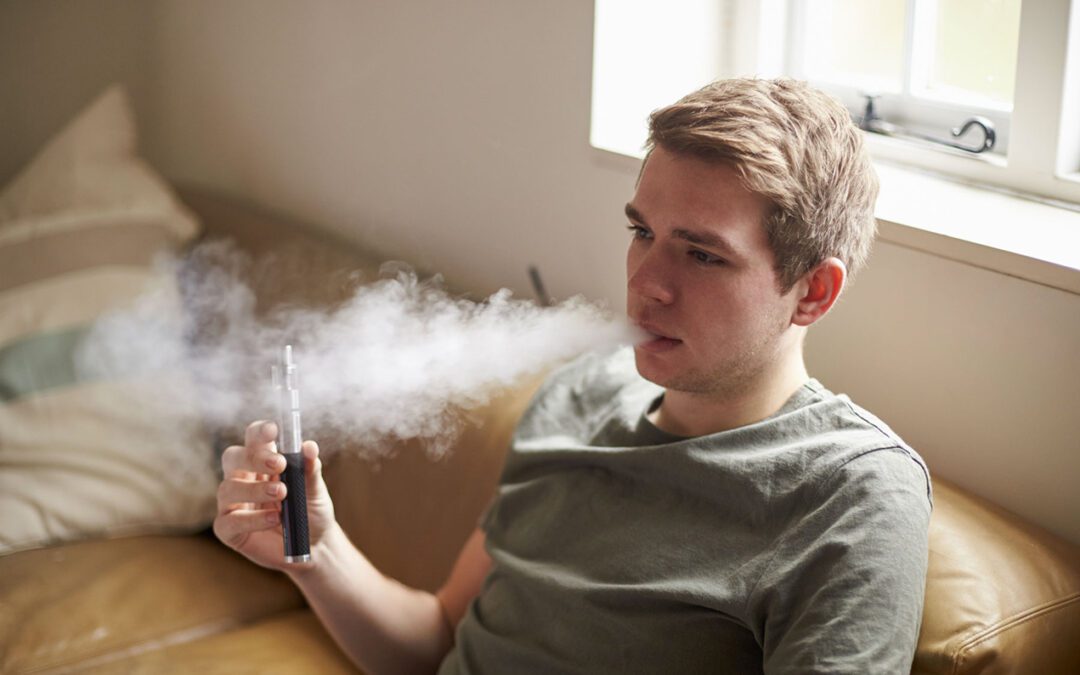
Young Australians are vaping and using illicit drugs more, according to new research. An Australian government study has revealed 63 per cent of current smokers aged 14 to 17 have tried e-cigarettes. The study found sixty-five per cent of young people aged 14-17 had never smoked when they first tried e-cigarettes, and 34 per cent were current smokers, with recent vape crackdowns there is hope that these numbers will decrease. Ryley Cowan, 20, said he started smoking when he was 13 due to the influence of friends and curiosity. “Due to family reasons I had to stay with a mate,…
Last month was Parkinson’s Awareness Month, with Parkinson’s Australia highlighting the prevalence of the condition. Parkinson’s is the second-most common neurological condition in the world but still remains one of the least understood, according to Parkinson’s Australia. The disease affects 150,000 Australians, or one in 173 people, or .85 per cent of the population. Fifty Australians are diagnosed each day, with one person diagnosed every 27 minutes – amounting to 19,500 new cases per year. Data found from Parkinson’s Australia Parkinson’s Specialist Nurse based in Goulburn, Lauren Hogan has had almost 100 people referred to her in the past two…
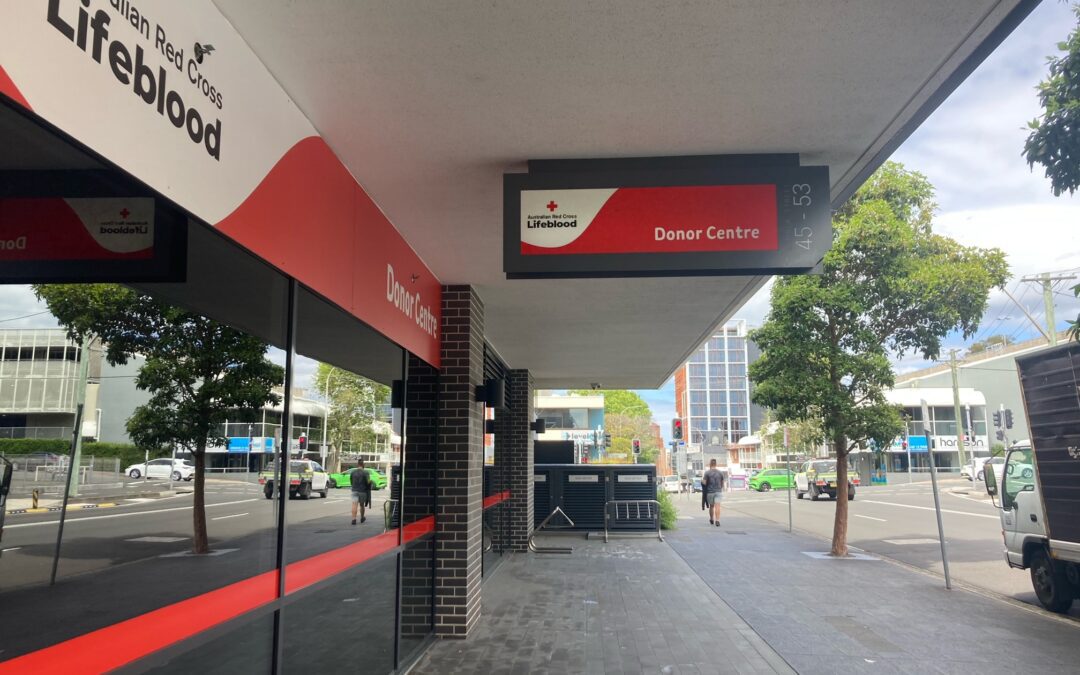
The Australian Red Cross Lifeblood is currently experiencing a critical O type supply period, with stocks of both O Positive and O Negative reaching their lowest point in the last year. Eligible donors being encouraged to visit their nearest centre and give blood over the next two weeks in particular. O Positive is the most common blood type in Australia, while O Negative is considered the universal blood type and is used to treat patients whose blood type is not known, meaning it is used to supply ambulances and rescue helicopters. Wollongong Red Cross Lifeblood’s Group Account Manager Megan Green…