
Close Menu
    Facebook X (Twitter) Instagram
    Facebook X (Twitter) TikTok Instagram YouTube Spotify
    UOWTV
    • Home
    • Media
    • News
      • Arts & Culture
      • Govt & Politics
      • Sport
      • Tech & Research
    • Features
    • Podcasts
      • A Day In The Life Of…
      • Between the Mountains and the Sea
      • Beyond The Bubble
      • Early Start Expert Insight
      • Miks and Mads
      • The Buzz
      • What Can We Say Again?
    • RadioU
    • Alumni Stories
    • About
    • Contact
    UOWTV
    Home»News»We’re still discovering new animal species
    News

    We’re still discovering new animal species

    Amy FairallBy Amy FairallApril 23, 2015Updated:April 24, 2015No Comments2 Mins Read
    A new species of glass frog
    A new species of glass frog

    Earth Day yesterday was designed to raise awareness of climate change, the effect on the environment and why people need to do something about it. While there are many negative stories told be told about the enviromnment, many positive discoveries are being made.

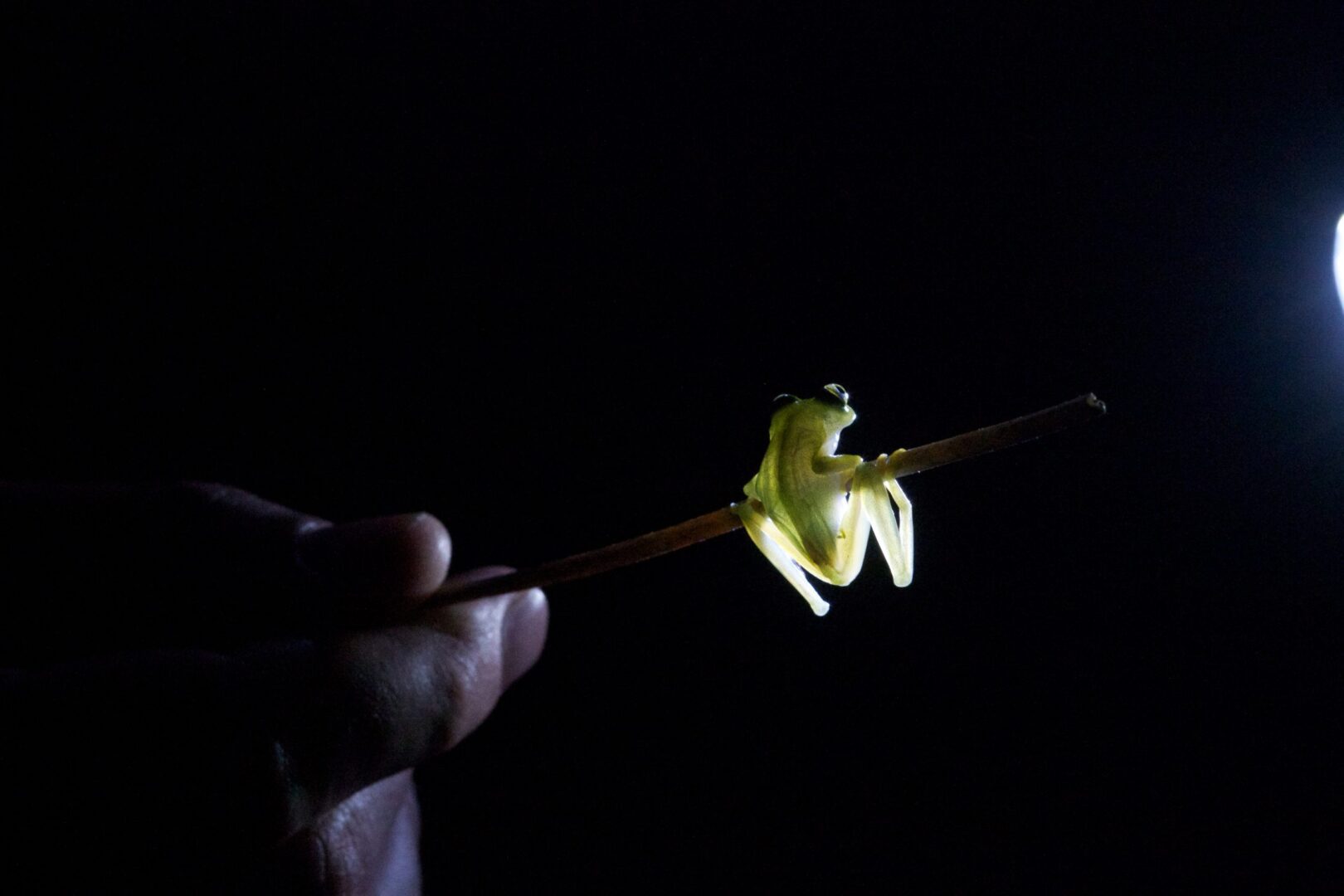
    • A new species of glass frog was discovered in Costa Rica during the week. The small lime green frog has a transparent underbelly that allows its insides to be seen. The frog, with large white and black eyes, draws an uncanny resemblance to possibly the most well known frog in the world, Kermit.
    • The Zospeum Tholussum, a translucent land snail, that was discovered in caves in Croatia in 2010. The snail is blind and is no more than 2mm high. The cave lukina jama-trojama cave system it was discovered in is up to 900m below the surface and is in complete darkness. As they are very slow moving they often depend on transportation through running water or larger animals.
    • The Olinguito is a carnivorous tree-dwelling mammal that was discovered in the Andean cloud forest during 2013. It belongs to the raccoon family and was the first carnivorous mammal to be discovered in the Western hemisphere for 35 years. The olinguito is believed to be nocturnal and rather reclusive. The species may be at risk due to deforestation.
    • And a new species of sea anemone, Edwardsiella Andrillae, that lives on the under side of ice in the seas of Antarctica, was discovered in 2010. When contracted the anemone is less than an inch long, however can expand to up to three to four times longer when relaxed. It also features between 20 and 24 tentacles. Scientists are baffled by how the anemone survives in the freezing conditions and how they manage to hold onto the ice.
    Follow on Facebook Follow on Instagram Follow on TikTok
    Share. Facebook Twitter LinkedIn Threads Bluesky Email Copy Link
    Amy Fairall

    Related Posts

    From Wollongong to Oxford, the UOW alumni with AI in his sights

    March 10, 2026

    Popular Illawarra sporting identity set to tackle world record for mental health

    November 8, 2025

    Bruce Gordon Training Facility’s effect on the Illawarra

    November 6, 2025
    OUR NETWORK
    • Facebook
    • Twitter
    • Instagram
    • YouTube
    • TikTok
    • Spotify
    LATEST NEWS

    From Wollongong to Oxford, the UOW alumni with AI in his sights

    March 10, 2026

    Popular Illawarra sporting identity set to tackle world record for mental health

    November 8, 2025

    Bruce Gordon Training Facility’s effect on the Illawarra

    November 6, 2025

    Wollongong lights up purple for annual Reclaim the Night march

    November 6, 2025

    Another Blow for Popular Australian Music Festival

    November 6, 2025

    Rental affordability and availability, key focuses during 2025 Anti-Poverty Week

    November 2, 2025
    TikTok Facebook X (Twitter) Instagram YouTube Spotify
    © 2026 UOWTV.com

    Type above and press Enter to search. Press Esc to cancel.