Author: Zoe Snudden

A recent paper published in the BMJ Sexual & Reproductive has found that many menstrual products have a lower or higher liquid capacity than advertised. The study, led by a team of researchers at Oregon Health & Science University tested 21 different menstrual products, including discs, tampons, pads, period underwear, and cups. Clinician and an assistant Professor of Haematology, Dr Bethany Samuelson Bannow, co-authored the study, told Scientific American that people assume women reach for alternative period products for sustainable reasons but rather it’s commonly for dealing with a heavy menstrual flow. “We realised that there wasn’t really a metric…

Read More

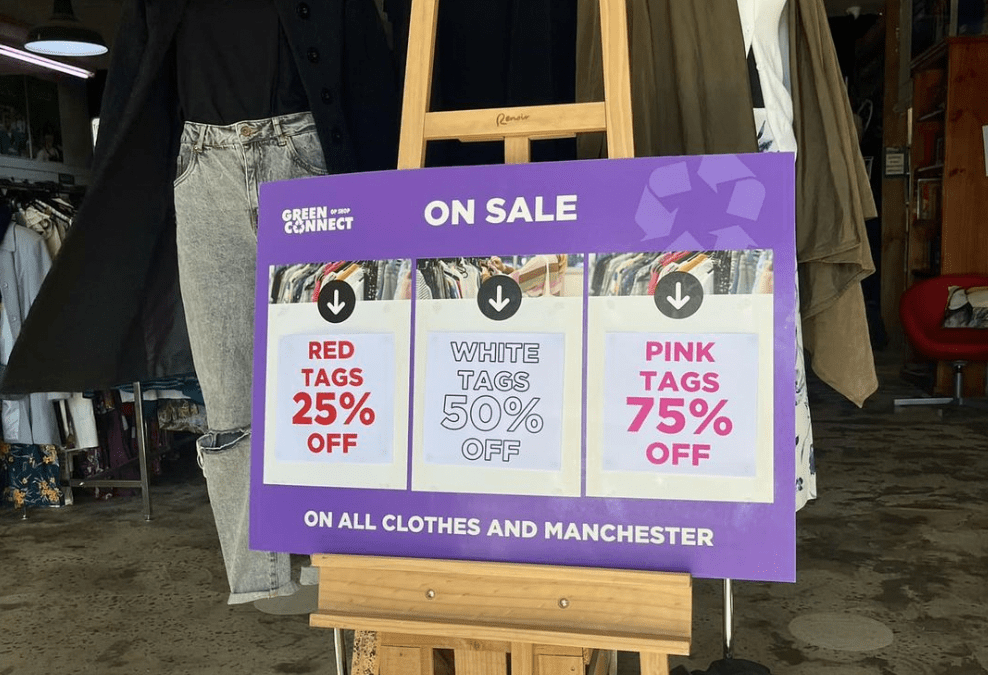
The University of Wollongong’s (UOW) on-campus Op Shop has not escaped the cost of living increases, however, shoppers are told to rest assured with prices returning to normal. Run by UOW Pulse and Green Connect, the store saw an increase in pricing of clothing items earlier this year. This resulted from the cost of living increase that took the country by storm and left Australians counting their coins.  The Australian Bureau of Statistics latest report from June 2023, revealed that living cost indexes rose by 6.3 and 9.6 per cent, in the last 12 months. Volunteer worker at the UOW Op shop, Maureen Burt, linked price increases…

Read More

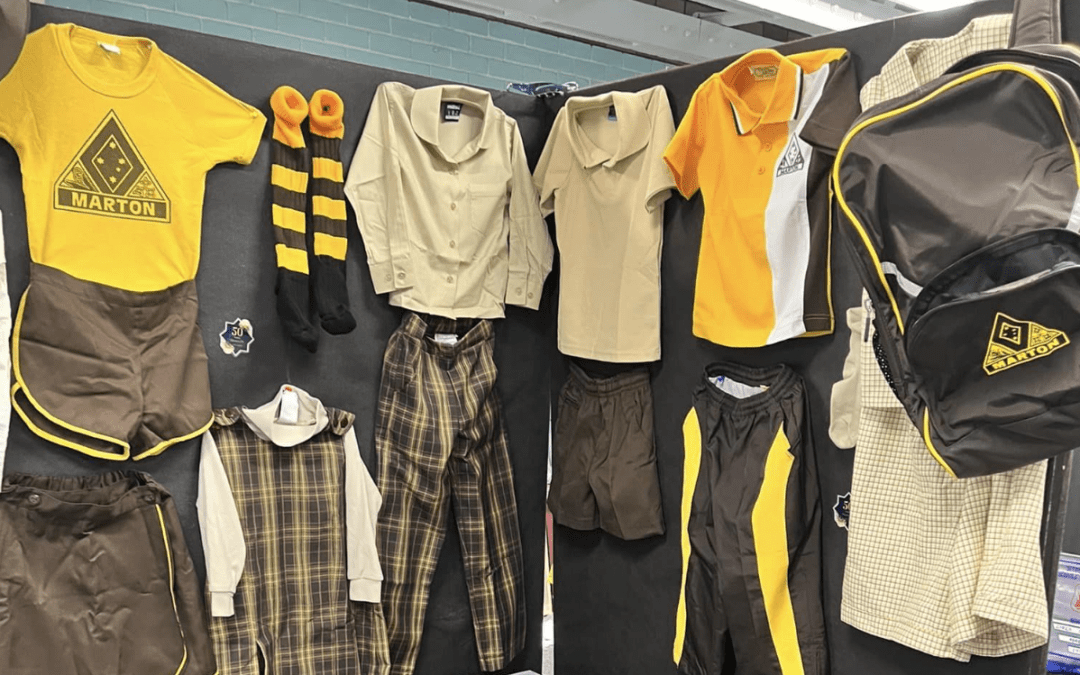
Marton Public School dug up a time capsule on Saturday to celebrate its 50th anniversary. The time capsule was buried by students 25 years ago. School Principal Jody MacDonald opened the capsule at a P&C organised gala dinner amongst past, and current students, staff, and local residents. Ms MacDonald unveiled old school photographs, the original brown and yellow uniform, letters from students and staff, sports awards, and other school memorabilia. The event allowed alumni to reminisce with their children, who currently attend the school. Past student and father Adam Masters celebrated the school’s anniversary with his son Chase, who is…

Read More

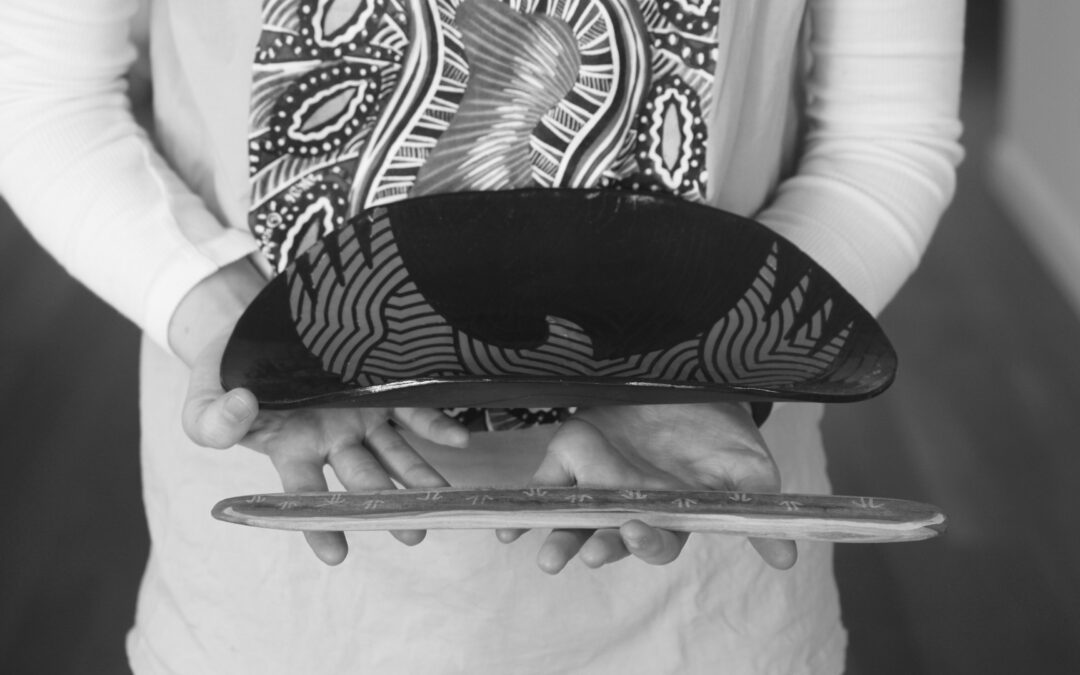
“You’re too white to be Indigenous.” “What percentage are you?” “You don’t look Indigenous.” “But you’re not black?” 19-year-old Dharawal Wodi Wodi woman, Stephanie Duric, is all too familiar with these comments and questions about her Indigenous identity. Growing up in the predominately white suburbs of the Sutherland Shire, Stephanie fits the physical profile of her area: fair skin, blonde hair, blue eyes. She seamlessly blends in with the majority. But when she speaks of her indigenous culture, she begins to stand out. Because Stephanie does not exhibit a stereotypical Aboriginal appearance, her connection to culture is not seen as…

Read More